Featured
All about Maintaining Post-Budget Adjustments for Debt Re...
Our Long-Term Consequences on What to Do When You Can't P...
6 Simple Techniques For No-Cost Educational Debt Counseli...

The Best Guide To Is It Worth of Professional Bankruptcy Guidance
Table of Contents
That maximizes cash in the short-term, and you might have three to 4 years to conserve towards the negotiation quantity. Extremely dangerous to credit report, largely because of missed settlements and an unfavorable "cleared up" mark that can remain on your credit rating record for approximately 7 yearsMay be only option if various other alternatives (financial obligation loan consolidation, balance transfer debt cards, financial debt mercy) aren't possibleTypically calls for a cost to the 3rd event, which could counter some or all of the cost savings from financial debt settlementMay help you prevent bankruptcy if you've missed out on a number of paymentsNot all creditors collaborate with financial debt negotiation business Financial debt forgiveness may be right for you if you are experiencing an economic hardship that makes it almost impossible to pay for your financial debt equilibriums.
With a DMP, you make one monthly repayment to the credit rating therapy company. Those funds are after that distributed to creditors of your unprotected financial debts, such as credit history cards and installment car loans. The company works with your lenders to reduce interest rates or waive costs, yet some creditors may refuse such giving ins.
It can help you pay down financial obligation if you're able to safeguard a loan rate that's reduced than the average price of the accounts you're combining. You need to refrain from racking up financial debt on those newly cleared accounts or your financial obligation could grow also greater.
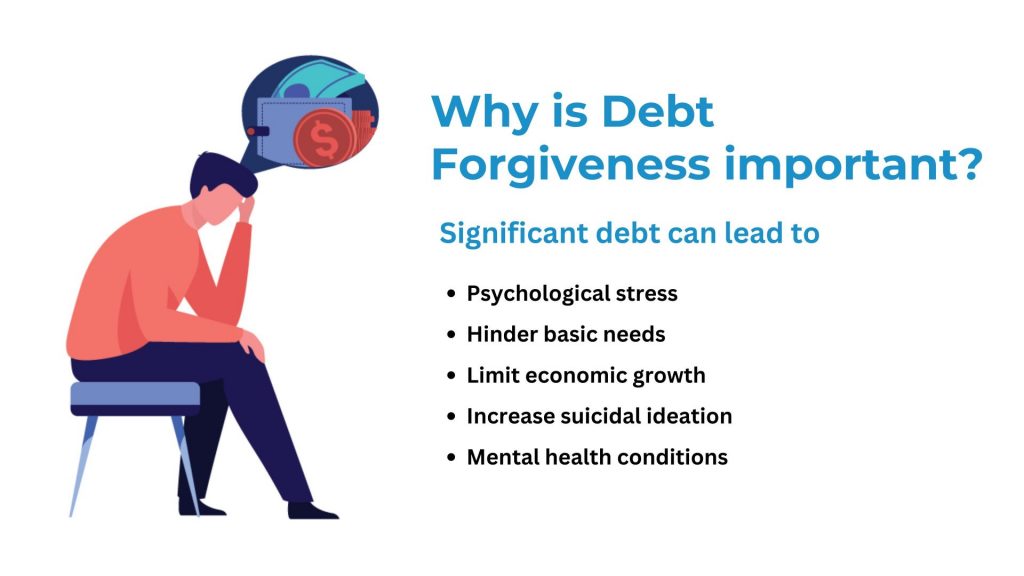
That gives you lots of time to get rid of or substantially minimize your balance while making interest-free repayments.
All about Understanding Your Protections Regarding 10 Credit Card Myths That Stop People From Paying Off Debt
You may need it if your financial institution or a debt collector ever tries to accumulate on the financial debt in the future. The letter could prove you don't owe what the collection company's documents reveal. Yes, in many cases, the IRS thinks about forgiven debt as taxable revenue. When a lending institution forgives $600 or more, they are called for to send you Type 1099-C.
Financial obligation mercy or negotiation practically always hurts your credit score. Anytime you resolve a debt for much less than you owe, it might look like "settled" on your credit rating report and impact your credit history for 7 years from the date of settlement. Your credit can additionally go down significantly in the months causing the forgiveness if you fall behind on settlements.
Get This Report about Understanding Bankruptcy Types and Requirements
This situation typically results from underreporting earnings, not filing returns on time, or disparities found during an IRS audit. The repercussions of accumulating tax obligation debt are major and can include tax obligation liens, which provide the Internal revenue service a lawful claim to your residential property as safety for the financial debt.
Higher rate of interest on readily available credit history. Earnings and Bank Accounts IRS can levy (confiscate) earnings and bank accounts to please the financial debt. Lowered income and disturbance of crucial economic procedures. Property Seizure In severe cases, the IRS can seize and market property to cover the debt. Loss of valuable assets and prospective displacement.
Depression, anxiousness, and various other mental wellness problems. Social Preconception Dealing with lawsuit from the internal revenue service can bring social preconception. Damage to track record and partnerships. Employment Opportunities A bad credit history due to strain financial obligation can restrict employment possibilities. Trouble finding or keeping a task. Government Benefits Tax debt may influence eligibility for government benefits, such as Social Security and Medicaid.
A Biased View of Recovering Personal Credit History Post 10 Credit Card Myths That Stop People From Paying Off Debt
The OIC takes into consideration several aspects, consisting of the taxpayer's income, costs, possession equity, and capability to pay. Effectively working out an OIC can be complex, requiring a thorough understanding of the IRS's guidelines and a solid disagreement for why your offer lines up with your ability to pay. It's vital to note that not all applications are accepted, and the process needs thorough economic disclosure.
The IRS assesses your general financial situation, including your income, costs, property equity, and capability to pay. You have to likewise be existing with all declaring and payment needs and not remain in an open personal bankruptcy case. The internal revenue service also considers your conformity background, examining whether you have a record of prompt declaring and paying taxes in previous years.
Emerging Laws That May Change Bankruptcy Procedures - Truths
The application procedure for an Offer in Concession includes numerous comprehensive actions. First, you need to finish and send internal revenue service Form 656, the Offer in Concession application, and Kind 433-A (OIC), a collection details declaration for people. These kinds call for extensive financial details, including details regarding your income, financial obligations, expenses, and possessions.
Back taxes, which are unsettled tax obligations from previous years, can considerably enhance your overall internal revenue service financial obligation if not attended to quickly. This debt can accrue rate of interest and late settlement charges, making the initial amount owed a lot bigger in time. Failing to pay back tax obligations can lead to the IRS taking enforcement actions, such as providing a tax lien or levy against your home.
It is essential to address back taxes immediately, either by paying the full amount owed or by arranging a layaway plan with the IRS. By taking positive actions, you can prevent the buildup of additional rate of interest and fines, and stop a lot more aggressive collection activities by the IRS.
One usual factor is the idea that the taxpayer can pay the total either as a round figure or via a repayment strategy. The IRS also takes into consideration the taxpayer's revenue, expenditures, possession equity, and future earning capacity. If these variables show that the taxpayer can afford to pay greater than the supplied quantity, the IRS is most likely to decline the deal.
Staying Safe Against Debt Relief Fraud Can Be Fun For Anyone
Dealing with IRS debt can be intricate and difficult. Tax obligation specialists, such as CPAs, tax obligation attorneys, or registered representatives, can give indispensable assistance.

Table of Contents
Latest Posts

All about Maintaining Post-Budget Adjustments for Debt Relief and Financial Stability : APFSC Budget for Lasting Security

Our Long-Term Consequences on What to Do When You Can't Pay Your Income Taxes: A Complete Financial Recovery Guide : APFSC Decisions Statements
6 Simple Techniques For No-Cost Educational Debt Counseling Resources That Help Individuals
More
Latest Posts
All about Maintaining Post-Budget Adjustments for Debt Relief and Financial Stability : APFSC Budget for Lasting Security
6 Simple Techniques For No-Cost Educational Debt Counseling Resources That Help Individuals